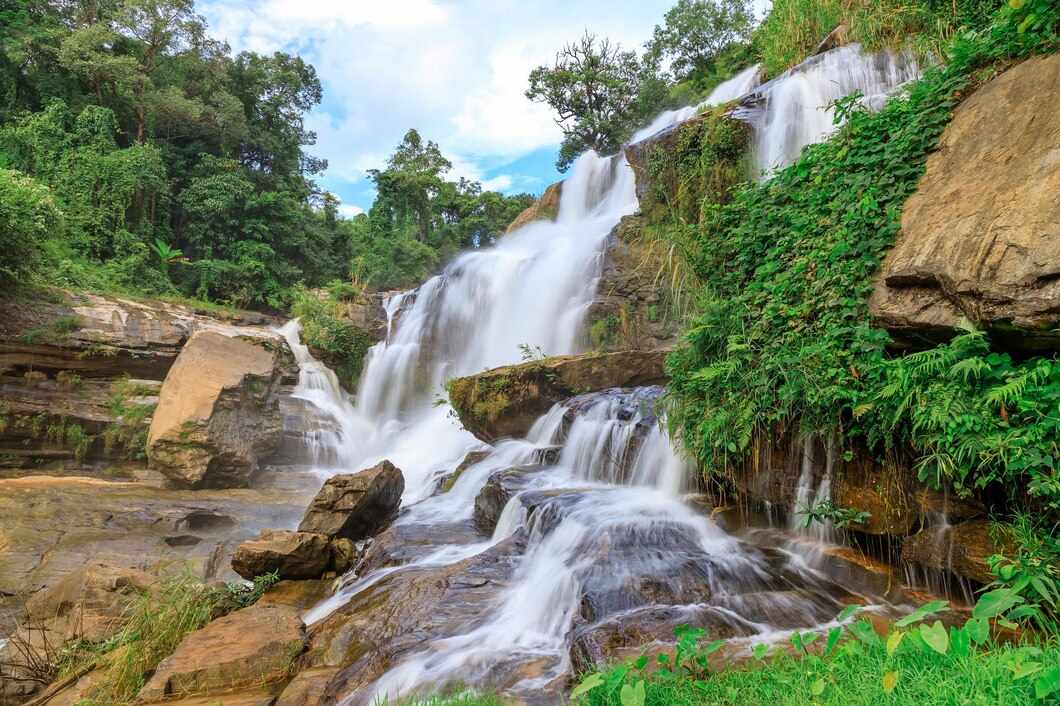
The Road to Hana is a famous coastal route on the island of Maui in Hawaii, known for its lush rainforest, ocean views, and many waterfalls along the way. Among its most popular features are the Hana Waterfalls, which dot the Hana Highway and offer visitors a chance to see nature’s power in a tropical setting. This article explains what the Road to Hana is, how the Hana Waterfalls were formed, and what travelers should know before visiting.
What Is the Road to Hana?
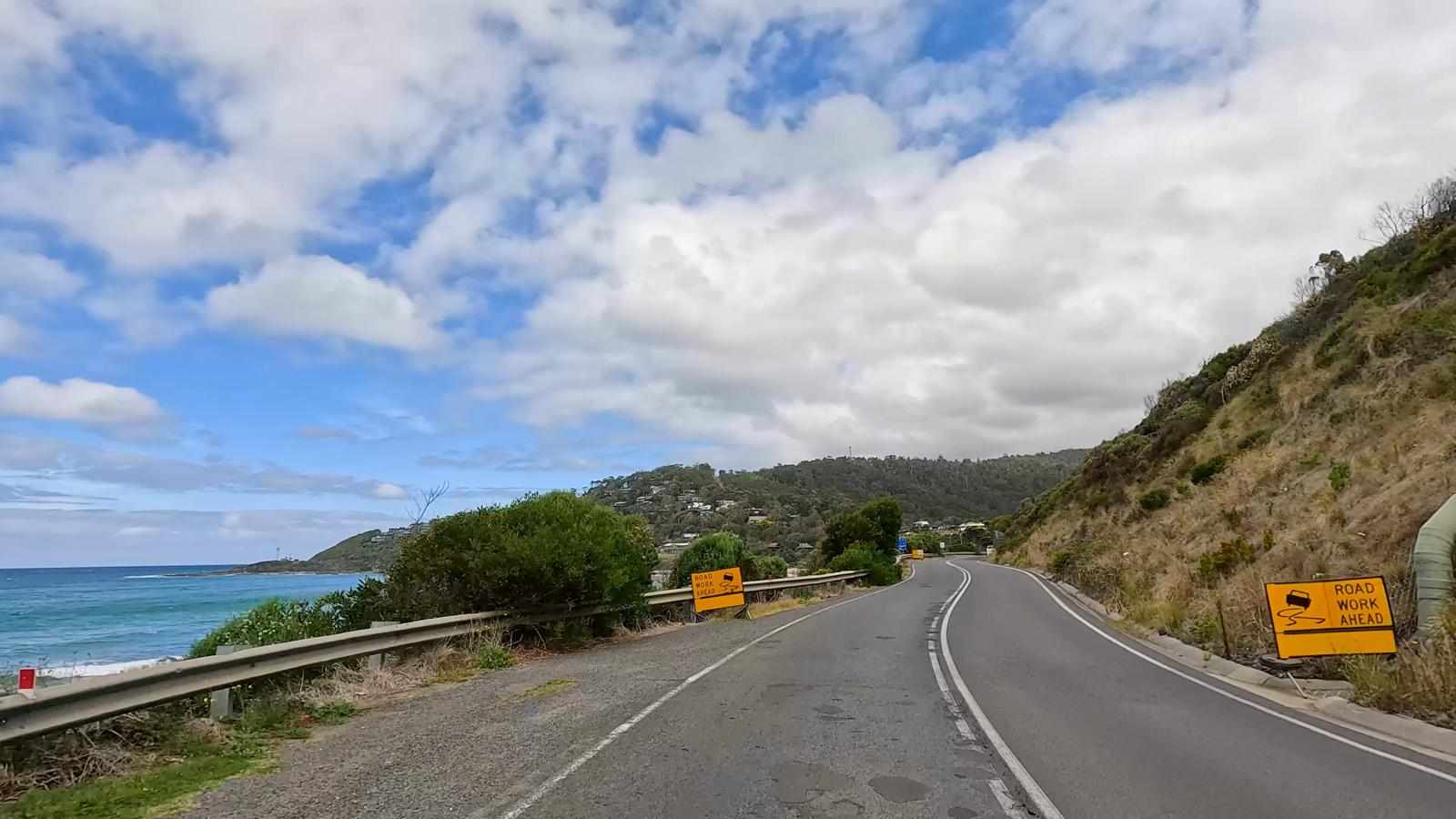
The Road to Hana is a 64‑mile (about 103 km) drive along the northeast coast of Maui, officially called the Hana Highway. The route runs from the town of Paia on Maui’s north shore to the small village of Hana in the east, and beyond in some itineraries. It passes more than 600 curves and about 50 one‑lane bridges, winding through dense rainforest, coastal cliffs, and small local communities.
Because of the many turns and narrow sections, the drive is usually slow and requires careful driving, especially for first‑time visitors. Drivers often spend 2.5 to 3 hours just to reach Hana if they do not stop, but most people take 8–12 hours for a full day trip that includes views, beaches, and several Hana Waterfalls along the way.
How the Hana Waterfalls Formed
The Hana Waterfalls exist because of Maui’s mix of rainforest climate, volcanic slopes, and frequent rainfall. Heavy rains on the steep, green slopes around the Road to Hana feed streams that tumble down ravines and cliffs, creating waterfalls of different heights and flow rates. Some falls are tall and narrow, dropping straight from basalt rock, while others fan out in broad curtains or step‑down in a series of smaller drops.
Seasonal weather shapes how powerful each waterfall looks. After heavy rains, falls such as Wailua Falls (near Mile Marker 45) can appear much more dramatic, with strong, visible streams. In drier stretches, water may be lighter or only present as a thin trickle, while others remain active year‑round due to consistent groundwater flow.
Major Hana Waterfalls to Know
Along the Road to Hana, travelers can pass more than a dozen notable Hana Waterfalls, each with its own setting and viewing style. They are usually listed in order from the start of the highway at Paia, so visitors can plan stops by mile markers.
Twin Falls (around Mile Marker 2) is one of the first major stops and often the first introduction to the Road to Hana waterfalls. It features a short paved trail leading to several small falls and pools, suitable for light walking and photography.
Wailua Falls (near Mile Marker 45) is a tall, single‑drop waterfall viewed from an overlook by the road, making it easy to visit without a long hike. The falls drop about 80 feet down a steep cliff and are often highlighted in photos of the Road to Hana.
Upper Waikani Falls (also called “Three Bears”) is a popular trio of closely spaced falls visible from the highway, often seen by visitors who continue beyond Hana. The falls descend in steps and are frequently photographed by passing cars that pull over at safe viewpoints.
Each of these Hana Waterfalls offers a different angle on how fast‑moving water works with the island’s volcanic rock and dense vegetation. Some require short walks or permission‑based access, so visitors are advised to follow posted signs and local rules.
Safety and Respect When Visiting
Viewing the Road to Hana and its Hana Waterfalls is generally safe if visitors follow basic precautions. Roads are narrow with many curves, so drivers should keep their speed low, yield at one‑lane bridges, and avoid sudden stops that might block traffic. Pull‑off areas and parking lots near major falls (such as Twin Falls and others) are designed for short stops, so lingering in the road itself is discouraged.
Near water, visitors should stay on marked paths and lookout areas. Authorities often advise against walking behind or under waterfalls, where rocks can fall and footing may be slippery. Swimmers should also check depth and current carefully before entering any pool and avoid jumping from high rocks without local guidance.
Planning a Neutral, Educational Visit
A visit to the Road to Hana and the Hana Waterfalls works best when treated as an educational nature trip rather than a promotional checklist. Travelers can learn about island geology, weather patterns, and local ecosystems by observing how water flows, how plants grow on volcanic slopes, and how coastal erosion shapes the coastline.
Visitors should plan for a full day, bring water and non‑perishable snacks, and fill their tank before leaving Paia, since services are limited along the route. Maps and mile‑marker guides help identify where each Hana Waterfall is located, but it is not necessary to stop at every one; choosing a few key falls allows for a more relaxed and thoughtful experience.
Conclusion
The Road to Hana offers a scenic coastal drive through Maui’s rainforest and coastal landscapes, with numerous Hana Waterfalls scattered along the route. These waterfalls reflect the island’s volcanic terrain and wet climate, and they provide a chance to study natural water flow and erosion in a tropical setting. For those who respect the environment, follow safety rules, and focus on learning rather than rushing, the journey can be both informative and memorable.








Write a comment ...