
What Is the Road to Hana?
The Road to Hana is a 64-mile scenic highway on the island of Maui, Hawaii. Travelers looking for the best Road to Hana tours will find this route runs along the northeastern coastline from the town of Kahului to the remote village of Hana. The route passes through dense rainforests, coastal cliffs, waterfalls, and ancient Hawaiian cultural sites.
The highway includes more than 620 curves and nearly 60 one-lane bridges. Because of its complexity, many visitors choose a guided tour rather than driving on their own. A guided experience allows travelers to focus on the scenery and learn about the history and ecology of the area without the stress of navigation.
Why People Choose Guided Road to Hana Maui Tours
Road to Hana Maui tours have grown in popularity because they offer a more complete and relaxed way to experience the highway. Here are the main reasons travelers opt for guided tours:
Safety and Comfort
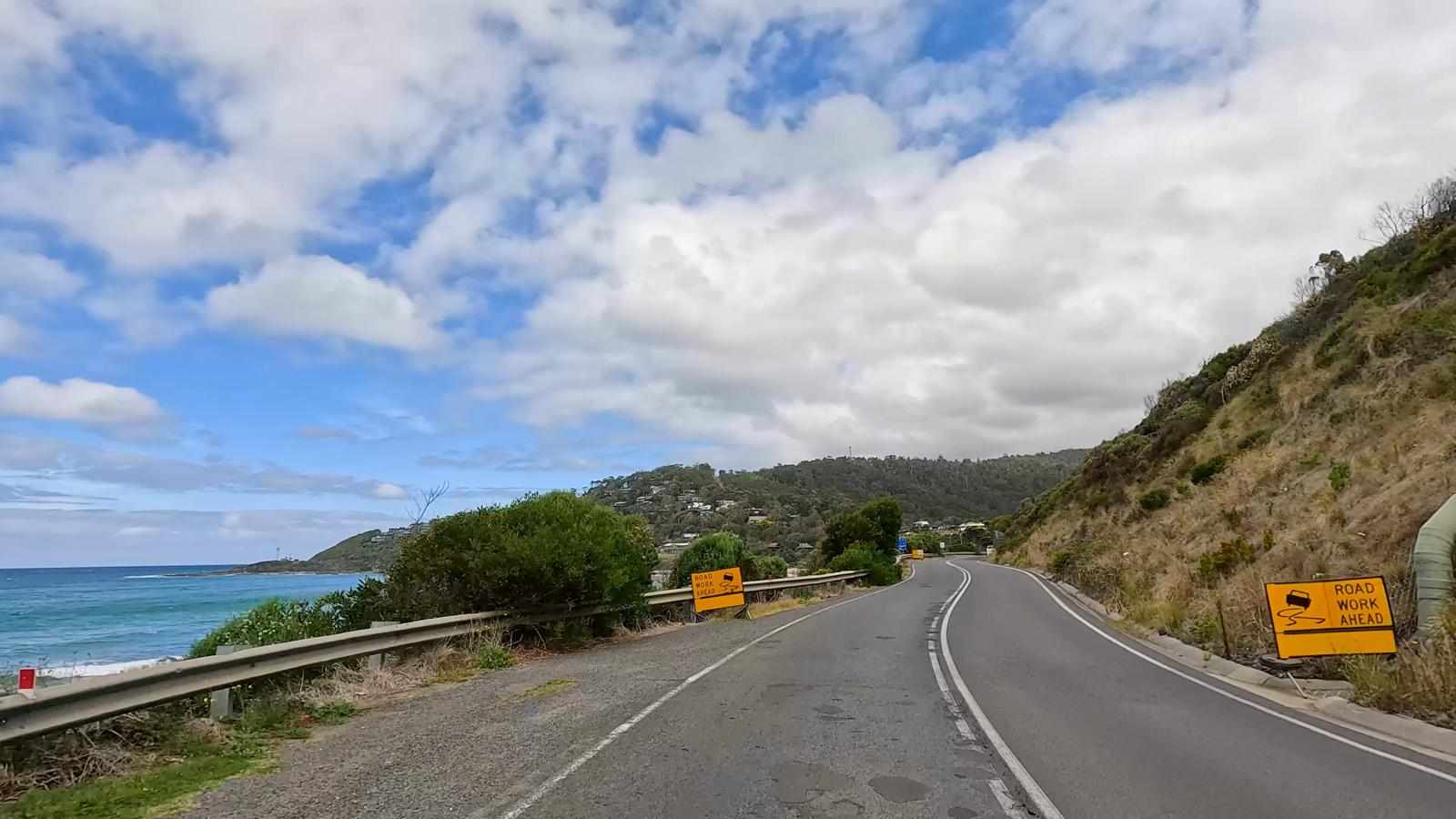
The Hana Highway is narrow, winding, and sometimes affected by fallen rocks or mudslides. Professional guides drive this road regularly and know how to handle its challenges safely. Passengers can sit back, enjoy the views through large windows, and avoid the physical and mental fatigue that often comes with self-driving.
Local Knowledge
Guides share detailed information about the plants, geology, history, and culture of the area. Travelers learn about native Hawaiian traditions, the significance of taro farming along the Keanae Peninsula, the origins of the volcanic black sand beaches, and the stories behind specific landmarks — knowledge that most visitors would never discover on their own.
Access to Hidden Spots
Many of the most beautiful locations along the highway are not marked on standard maps or GPS apps. Guided best Road to Hana tours include stops at unmarked waterfalls, local fruit stands, bamboo groves, and coastal viewpoints that self-driving visitors typically miss entirely.
Key Stops on a Typical Road to Hana Tour
Ho'okipa Beach Park
One of the first stops on many tours, Ho'okipa is a world-famous windsurfing beach. From the overlook, visitors can watch surfers and, on calm days, spot Hawaiian green sea turtles resting on the shore below. It sets a strong introduction to Maui's natural diversity.
Keanae Peninsula
The Keanae Peninsula is a flat stretch of land formed by an ancient lava flow. It is home to one of Maui's oldest taro farming communities. Taro, known locally as kalo, holds deep importance in Native Hawaiian culture and is considered a sacred ancestral plant. The flooded taro fields and dramatic coastline here are among the most photographed scenes on the entire route.
Aunty Sandy's Banana Bread Stand
This roadside stop in Keanae Village is a long-standing tradition for Road to Hana travelers. Fresh banana bread — made from locally grown fruit and sometimes flavored with macadamia nuts or guava — is baked daily and sold warm. It represents the kind of simple, authentic local experience that defines the character of this journey.
Waianapanapa Black Sand Beach
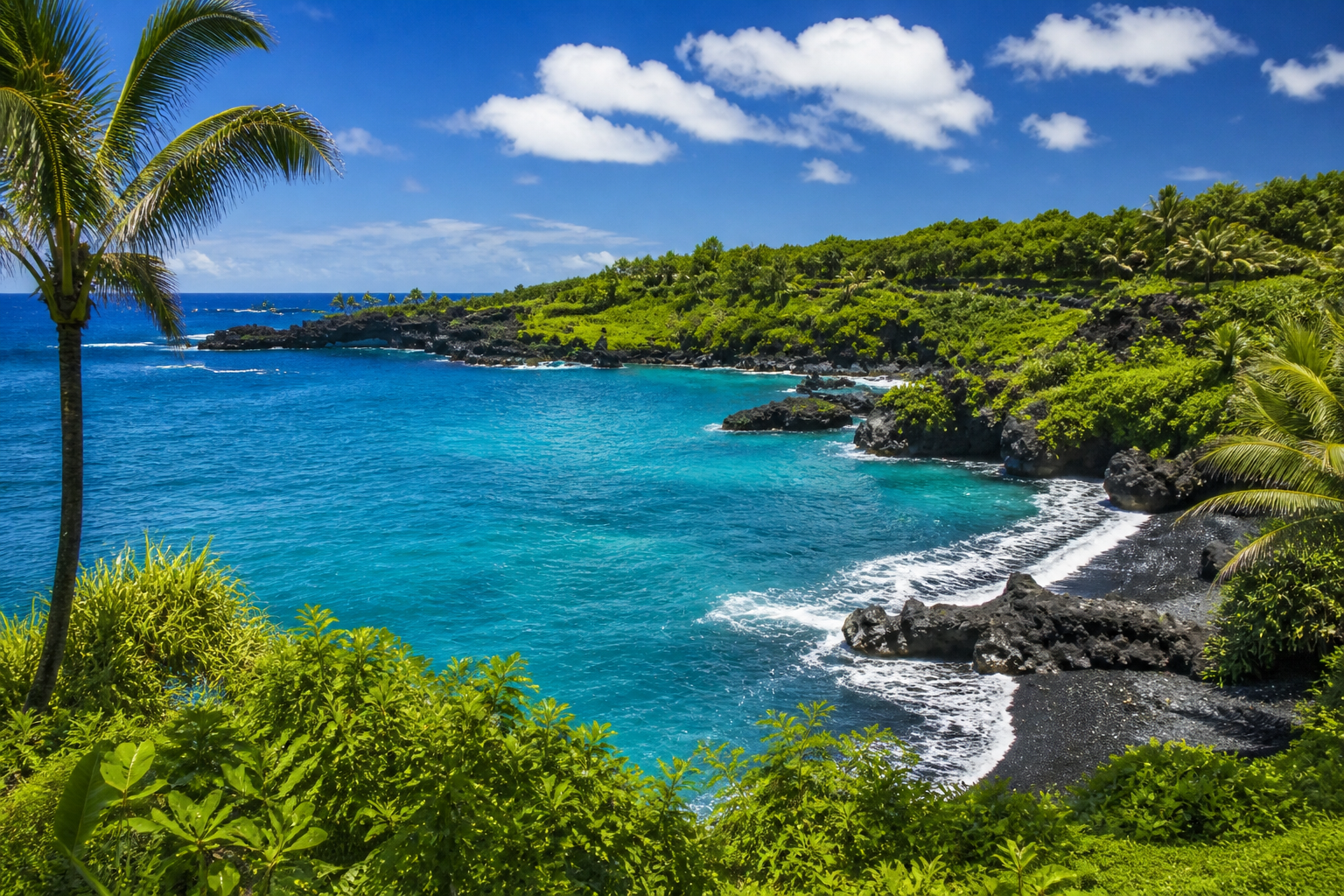
Located within Waianapanapa State Park, this beach is made entirely of black volcanic basalt granules formed when lava met the ocean. The contrast of the dark sand against turquoise water and green coastal plants makes it one of the most visually striking natural sites in Hawaii. Visitors can swim, explore sea caves, and walk a rugged lava-rock coastal trail.
Pua'a Ka'a Falls
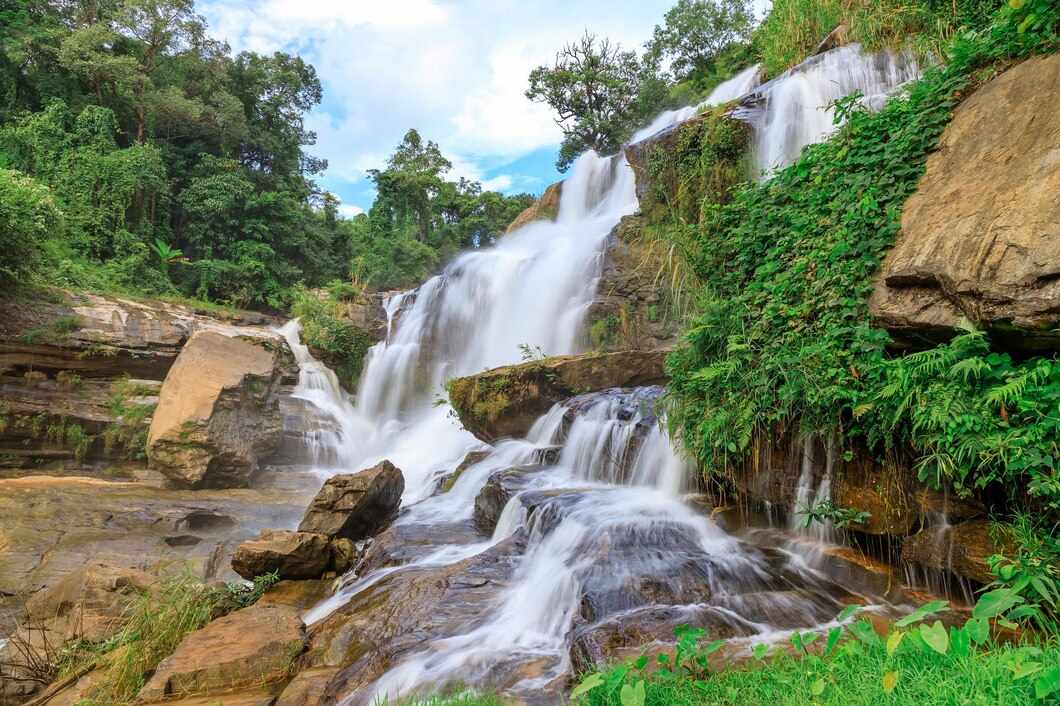
This two-tiered waterfall flows into a clear freshwater pool and is one of the most popular swimming spots on the route. The surrounding area is covered in native ferns, wild ginger, and dense tropical forest. Swimming here is a highlight that many travelers describe as the most memorable moment of the entire day.
Rainbow Eucalyptus Trees
Along certain stretches of the highway, Rainbow Eucalyptus trees display their distinctive multicolored bark — stripes of green, blue, purple, and orange revealed as the outer layer peels away throughout the year. These trees, originally from the Philippines, have become a beloved and unusual landmark on the Road to Hana.
What a Full-Day Tour Typically Covers
Most full-day best Road to Hana tours run between 10 and 12 hours, departing early in the morning from Kahului or nearby resort areas. They include:
Hotel pickup and drop-off from major Maui accommodations
Meals and snacks — typically a light breakfast, lunch, fresh fruit, and non-alcoholic beverages throughout the day
Small group size — usually no more than 14 passengers, which keeps the experience personal
Expert narration on Hawaiian history, ecology, and culture at every major stop
Tours that complete a full circle route also travel back through Kipahulu and Upcountry Maui via the southern coast — a section of the island that rental car users are often not permitted to access. This back road offers entirely different scenery including open ranchland, ocean cliffs, and views of Haleakala volcano.
Best Time to Visit
The Road to Hana is open year-round. Winter months (November through March) bring the most rainfall, which increases waterfall flow and deepens the green of the rainforest. Summer months (May through September) tend to be drier, with better conditions for swimming at beaches and waterfall pools. April and October offer a middle ground — manageable crowds, lush scenery, and generally cooperative weather.
Regardless of season, advance booking is recommended. Popular tour dates, especially during summer and the holiday season, can fill up weeks ahead.
Conclusion
The Road to Hana is one of Hawaii's most recognized natural routes, offering a mix of geology, culture, and coastal scenery that is difficult to find elsewhere. Whether a traveler chooses a guided tour or plans their own drive, understanding what the highway offers — and what preparation it requires — leads to a more rewarding visit. Road to Hana Maui tours provide one structured option for experiencing the highway fully, particularly for those visiting Maui for the first time.






Write a comment ...